August 18, 2026
Cleanliness plays a major role in how businesses operate, how employees feel, and how customers perceive a company. Across many industries, commercial cleaning supports more than appearance by helping organizations create healthier, safer, and more efficient environments. A well-maintained facility can reduce distractions, protect valuable equipment, reinforce professional standards, and improve the experience of everyone who enters the space. As expectations surrounding hygiene have increased, businesses have placed greater emphasis on consistent cleaning routines that support both daily operations and long-term success.
1. Supporting Productivity in Office Buildings
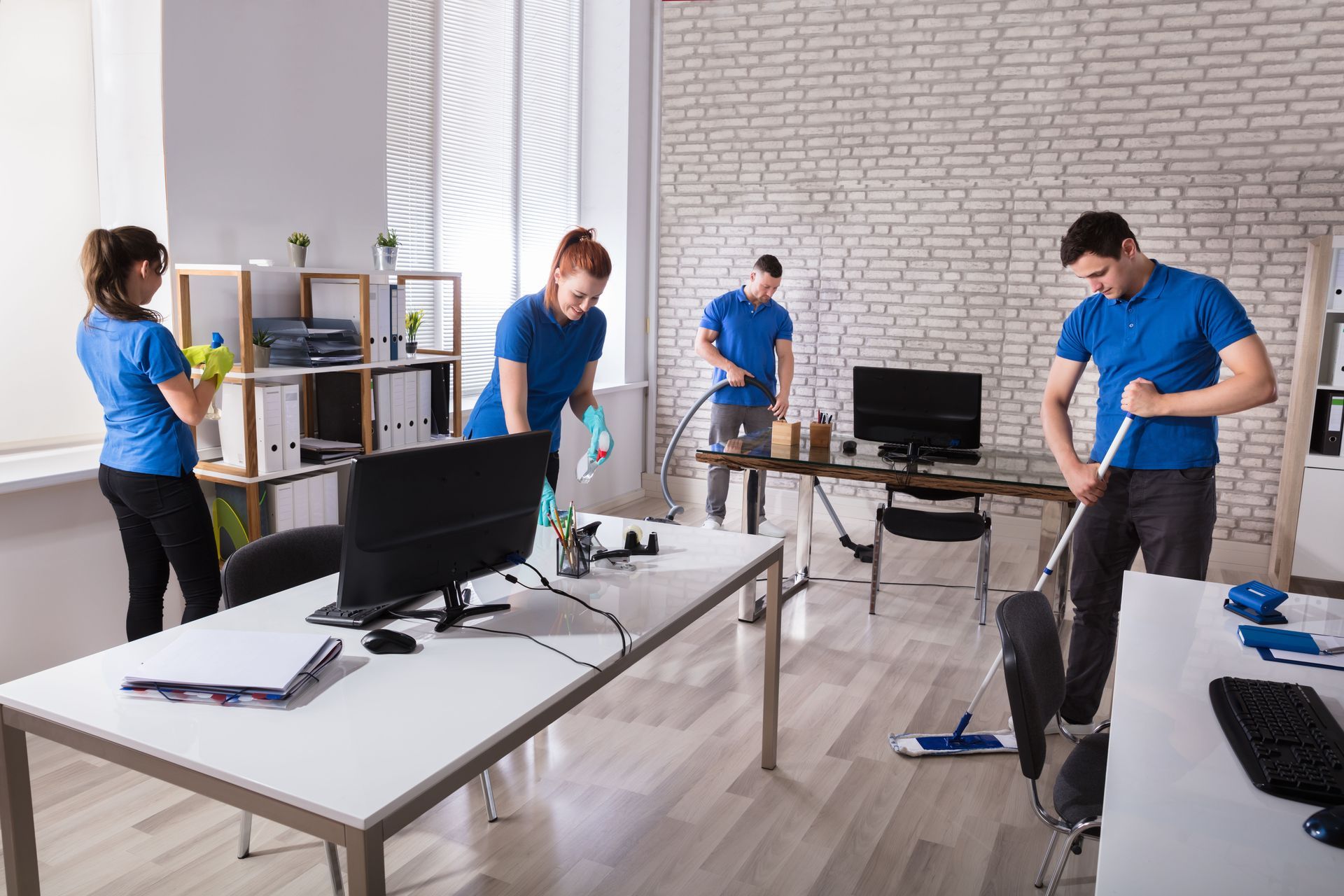
Office environments influence concentration, comfort, and employee performance. Cluttered desks, dusty surfaces, stained floors, and poorly maintained common areas can create distractions that make it more difficult for employees to focus. Commercial cleaning helps create an orderly setting where workers can complete tasks without unnecessary environmental interruptions. Regular dusting, vacuuming, trash removal, and surface cleaning also contribute to a workplace that feels organized and professionally managed.
Indoor air quality can also affect employee comfort. Dust, pollen, and other particles may accumulate in carpets, upholstery, vents, and hard-to-reach areas. Routine cleaning can reduce this buildup and help maintain a fresher indoor environment. When employees work in a space that feels clean and comfortable, they may be better able to remain focused throughout the day.
2. Reducing Illness and Workplace Absences
Shared workplaces contain many high-touch surfaces, including door handles, elevator buttons, keyboards, conference tables, breakroom appliances, and restroom fixtures. These areas can collect germs quickly when used by multiple people throughout the day. Commercial cleaning can help reduce contamination by incorporating regular disinfection into the maintenance schedule, particularly in heavily used areas.
Reducing the spread of illness can benefit both employees and employers. Fewer health-related absences can help teams maintain consistent staffing levels, prevent workflow disruptions, and reduce the burden placed on coworkers who must cover additional responsibilities. Maintaining sanitary shared spaces supports both physical well-being and employee confidence in the organization.
3. Strengthening Professional Image
Visitors often form an impression of a business within moments of entering a facility. Floors, windows, reception areas, restrooms, and meeting spaces all contribute to that impression. A visibly clean workplace signals attention to detail and can reinforce confidence among clients, vendors, job candidates, and business partners. Commercial cleaning supports this image by ensuring that public-facing and employee areas remain presentable on a consistent basis.
According to LLC Buddy, 9 out of 10 consumers agree that unclean public areas, such as lounges, toilets, and lobbies, increase the likelihood that they will have an unfavorable overall impression of a firm. This illustrates how strongly cleanliness can influence perception and reinforces the importance of maintaining professional surroundings.
4. Protecting Furniture, Flooring, and Equipment
Routine maintenance can also help extend the useful life of furnishings and building materials. Dirt and grit can wear down flooring, dust can accumulate on electronics, and spills can stain upholstery or other surfaces when they are not addressed promptly. Commercial cleaning helps limit this damage by removing contaminants before they have time to create lasting problems.
Using appropriate cleaning methods is equally important. Different surfaces require specific products and techniques, and using the wrong materials can cause discoloration, scratches, or premature deterioration. A consistent maintenance plan helps businesses protect investments in carpeting, tile, furniture, fixtures, and equipment.
5. Maintaining Health and Safety Standards
Businesses have a responsibility to provide environments that are safe for employees, customers, and guests. Clean floors, sanitized restrooms, clear walkways, and properly maintained shared spaces can help reduce common hazards. Commercial cleaning contributes to these goals by addressing spills, debris, contamination, and other conditions that may create unnecessary risk.
Cleaning schedules can also support internal safety procedures and industry-specific requirements. Restrooms, kitchens, breakrooms, waiting areas, and other shared spaces often require more frequent attention than low-traffic areas. Proactive maintenance supports a safer workplace while demonstrating that the organization takes facility conditions seriously.
6. Supporting Infection Control in Healthcare Facilities
Healthcare environments require especially careful sanitation because patients, employees, and visitors may be exposed to higher levels of health risk. Hospitals, clinics, dental offices, and similar facilities rely on detailed cleaning procedures to reduce cross-contamination and help prevent the spread of infection. Professional sanitation in these environments may include disinfecting high-touch surfaces, treatment areas, waiting rooms, restrooms, and other spaces that require frequent attention.
Healthcare cleaning also demands strong attention to procedure. Staff must understand which areas require specific disinfectants, how frequently surfaces should be treated, and how to prevent contaminants from spreading between rooms. Clean surroundings also support medical professionals by allowing them to concentrate on patient care rather than basic facility maintenance.
7. Managing Waste and Sensitive Materials
Some industries generate waste that requires careful handling. Healthcare facilities, laboratories, manufacturing sites, and certain commercial operations may produce materials that cannot be treated like ordinary office trash. Proper segregation, collection, and disposal procedures are essential for protecting workers and maintaining safe conditions. Cleaning teams must understand the boundaries of their responsibilities and follow established protocols when working near potentially hazardous materials.
Effective waste management also improves organization throughout the facility. Clearly marked containers, scheduled removal, and clean disposal areas reduce clutter and make it easier for employees to follow safe procedures. When waste systems are properly maintained, businesses can reduce odors, prevent spills, and lower the chance of accidental exposure.
8. Improving the Retail Customer Experience
Retail stores depend heavily on customer perception, and cleanliness can influence whether shoppers feel comfortable remaining in the space. Dirty floors, dusty shelves, smudged glass, overflowing trash cans, or poorly maintained restrooms can quickly create a negative impression. Commercial cleaning helps retailers maintain a welcoming atmosphere by keeping high-traffic areas presentable throughout the day.
Clean environments can also encourage shoppers to spend more time browsing. Organized aisles, polished displays, and fresh-smelling spaces make products easier to view and create a more pleasant overall experience. When customers repeatedly encounter well-maintained surroundings, they may associate the store with professionalism and care.
9. Preserving Retail Inventory and Displays
Dust and debris can affect both merchandise and display materials. Products that appear dirty or neglected may lose perceived value even when they are otherwise in excellent condition. Regular dusting and surface care help retailers present inventory in a way that reflects quality. This is particularly important for products displayed for extended periods or in high-traffic areas where fingerprints and dust accumulate quickly.
Cleaning routines can also help protect shelving, fixtures, flooring, and signage. Keeping these elements in good condition reduces the need for premature replacement and supports a consistent visual identity throughout the store. Protecting display materials can also help retailers maintain a polished appearance without making frequent investments in new fixtures.
10. Supporting Long-Term Business Success
Cleanliness affects nearly every aspect of a business, from employee comfort and safety to customer perception and asset protection. Rather than viewing cleaning as a purely cosmetic task, organizations can treat it as part of their operational strategy. Consistent facility maintenance can help preserve facilities, reinforce professional standards, reduce preventable disruptions, and support a positive experience for workers and visitors alike.
Different industries have different needs, but the underlying goal remains the same: maintaining an environment that is safe, functional, and welcoming. Offices may prioritize productivity and employee wellness, healthcare facilities may focus on sanitation and infection control, and retailers may place greater emphasis on customer experience and presentation. By developing cleaning routines that match the demands of the facility, businesses can create stronger foundations for efficient operations and long-term success. Contact our team at Executive Cleaning Inc today and learn more about our cleaning services.